

Dr Ronan Kennedy BDS (QUB)
Edenderry
Co Offaly
T: 046 973 1304/973 3750
Opening hours
Monday-Friday
9.00am - 5.30pm
Hygienist
Monday and Wednesday
New patients welcome
Emergencies accepted
News - August 2026
Can dentists trust YouTube for dental photography training?
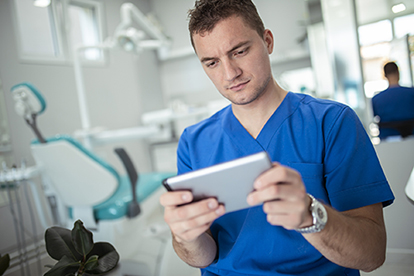
YouTube is an increasingly accessible source of dental education, but the absence of expert review raises questions about the quality and reliability of the information provided. This is particularly relevant to practice-oriented subjects such as dental photography, for which videos may provide instruction on techniques. New research suggests that dental professionals should approach YouTube videos offering dental photography training with caution.
The study evaluated 113 English-language YouTube videos using three established instruments for assessing the quality and reliability of online information. The results were concerning. All three measures indicated that the videos were of generally low educational quality and reliability. The authors noted that clear authorship information, reference citations, and information indicating whether content was current were frequently absent. The researchers stressed that the study did not determine whether the techniques shown were correct or complied with dental photography protocols.
Videos uploaded by dentists or clinicians scored significantly better than those uploaded by health websites and organisations. Videos from academic institutions also achieved relatively strong scores, but accounted for only nine videos.
The study found positive associations between quality scores and views, likes, and engagement. However, the authors noted that viewership and engagement could not be explained solely by content quality.
For clinicians and students, the message is straightforward: YouTube should be used cautiously as a supplementary learning resource, but cannot replace structured, evidence-based training. This is consistent with previous research in dental education. The authors of the study concluded that there is a need for dental professionals and academic institutions to produce more structured, better referenced and up-to-date online educational content.
The study was published online in BMC Oral Health.
From: https://www.dental-tribune.com/news/can-dentists-trust-youtube-for-dental-photography-training/.
Scientists reveal what sparkling water really does to your teeth
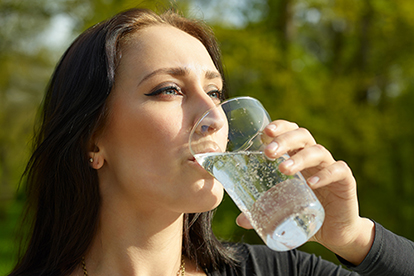
Unsweetened sparkling water may be a better option for teeth than sugar-sweetened soda, according to preliminary research comparing how several popular drinks affect acidity in the mouth.
Tooth enamel can begin to dissolve when the mouth’s pH falls below about 5.5. The new findings suggest that sparkling water can temporarily lower oral pH, but the effect appears to be less pronounced than the drop caused by soda.
Previous research has shown that sugar-sweetened soda can promote dental erosion by pushing mouth pH below 5.5. Far less is known about how unsweetened sparkling water influences acidity inside the mouth.
To investigate, researchers tested sugar-sweetened soda, regular sparkling water, calcium-fortified sparkling water, and plain water in 20 adults. Every participant drank each beverage, and the researchers measured salivary pH to observe how the mouth responded immediately after each drink was consumed.
Soda produced the greatest increase in mouth acidity. Salivary pH was significantly lower after soda than after water at both two minutes and 20 minutes following consumption. With both types of sparkling water, pH had returned to nearly its starting level within 20 minutes.
Wajiha Zulfiqar, a graduate student at Purdue University, said: “Our results suggest that replacing sugar-sweetened sodas with unsweetened sparkling water may help lower the risk of enamel erosion”.
The team next plans to examine the long-term effects of sparkling water on oral health.
Zulfiqar presented the results at NUTRITION 2026, the annual meeting of the American Society for Nutrition. The findings should be regarded as preliminary until they appear in a peer-reviewed publication.
From: https://www.sciencedaily.com/releases/2026/07/260727012126.htm.
Goodbye, cavities? New gel could regrow tooth enamel
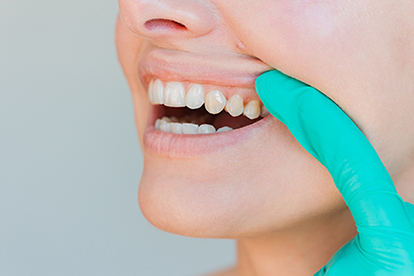
A newly developed dental gel may be able to rebuild damaged tooth enamel, potentially creating a new approach to preventing decay and restoring worn teeth. Scientists at the University of Nottingham created the material to imitate the biological processes that form enamel naturally. Their findings suggest that the gel could repair enamel that has been weakened by mineral loss or erosion, reinforce enamel that is still healthy, and help protect teeth from future damage.
The new gel is made from proteins designed to reproduce important functions of the natural proteins involved in enamel development during infancy. After the gel is placed on a tooth, it forms a thin, durable coating that penetrates the tooth’s surface and fills small cracks, pores, and other damaged areas. This coating then acts as a framework for rebuilding the mineral structure of enamel. According to the researchers, this organised growth helps the repaired surface recover both the microscopic architecture and the physical properties of healthy enamel.
The researchers tested the regenerated material under conditions intended to reproduce the stresses teeth experience in daily life. The results showed that the restored tissue displayed mechanical behaviour similar to that of healthy natural enamel.
Prof. Alvaro Mata, who led the study, said: “We are very excited because the technology has been designed with the clinician and patient in mind. It is safe, can be easily and rapidly applied, and it is scalable”.
The team has begun working towards commercialisation through its start-up company, with the goal of developing an initial product for clinical use. The findings were published in Nature Communications.
From: https://www.sciencedaily.com/releases/2026/07/260717033046.htm.


